
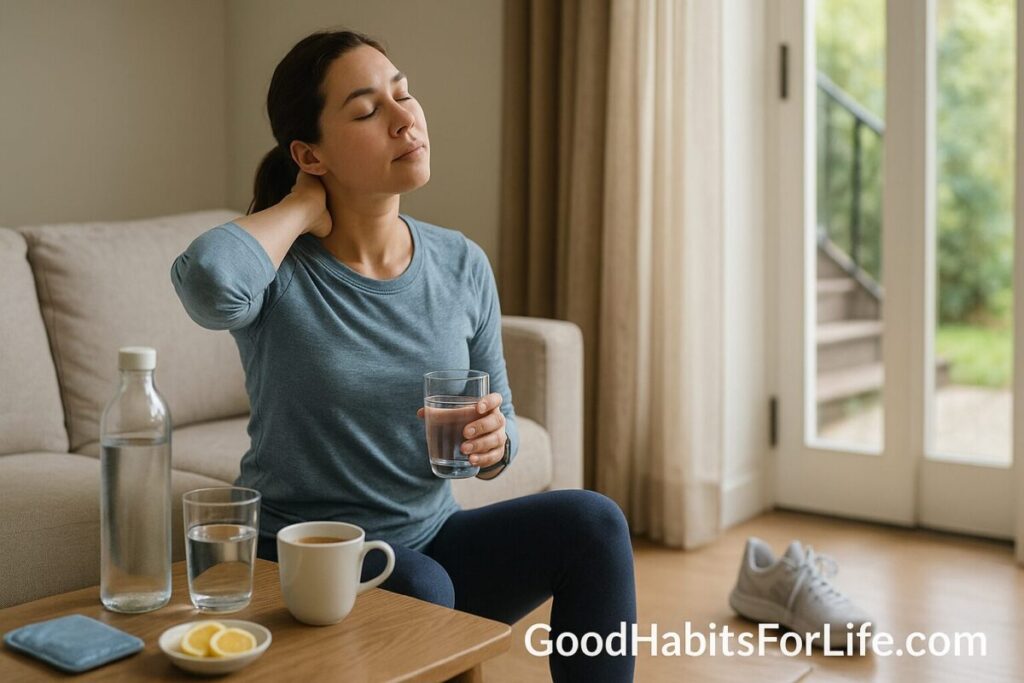
Headache Days: Hydration & Caffeine Basics: Zone 2 + NEAT (2025)
Headache Days: Hydration, Caffeine, Zone 2 + NEAT (2025)
Table of Contents
🧭 What Counts as a “Headache Day” & Why These Basics Work
Headache day simply means you had any headache for any duration that affected normal function. For many people, the fastest, lowest-risk relief starts with hydration, smart caffeine, and gentle movement:
-
Hydration: Even mild dehydration can provoke headaches and make them harder to shake. Restoring fluids (and sometimes electrolytes) often reduces intensity and shortens duration.
-
Caffeine: In small, timed doses, caffeine can enhance pain-relief medicines and constrict dilated blood vessels. But mistimed or excessive caffeine can backfire (jitters, rebound, poor sleep).
-
Zone-2 cardio & NEAT: Gentle, low-to-moderate intensity activity improves blood flow, reduces stress, and supports recovery without overexertion. NEAT (your non-exercise movements like walking to the store, light chores, taking stairs) keeps circulation and mood up.
These fundamentals are simple, actionable, and compatible with most evidence-based headache care plans.
✅ Quick Start: Do This in the Next 60 Minutes
-
Sip 500 ml water over 15–30 min. If you’ve been sweating, vomiting, traveling, or drinking alcohol, use a low-sugar electrolyte option.
-
Small snack if you haven’t eaten: fruit + handful of nuts, or yogurt, or toast with peanut butter.
-
Caffeine (optional): If you normally tolerate it, take 50–100 mg (≈ half cup coffee or small tea) once, ideally before noon. If you plan an OTC pain reliever, take caffeine with it (if no contraindications).
-
Environment reset (10–15 min): Dim lights, reduce screen glare, cool room, and try box breathing (inhale 4 s, hold 4 s, exhale 4 s, hold 4 s, 10 rounds).
-
Gentle movement (20–30 min): Easy Zone-2 walk (you can talk in full sentences) or light cycling. If you can’t go out, do 3×5-min indoor strolls across the hour.
-
Reassess: If pain escalates or neurological red flags appear (new severe “worst headache,” weakness, confusion, fever, head injury), seek medical care immediately.
💧 Hydration Protocol (with Electrolytes)
Targets (general guidance, not a rule):
-
Daily total water intake often lands around ~2.0 L for women and ~2.5 L for men, including all beverages and water in foods. Your true need varies by body size, climate, sweat rate, alcohol, diuretics, and activity.
-
Practical cue: Aim for pale-straw urine by midday; darker yellow = drink more.
On a headache day:
-
Start with 500–750 ml over 30–60 min, then 150–250 ml every 30–60 min while awake, adjusting to thirst and urine color.
-
Consider electrolytes if you’ve:
-
done long/hot exercise,
-
had GI losses (vomiting/diarrhea),
-
consumed lots of alcohol, or
-
felt dizzy on standing.
Choose low-sugar oral rehydration or a DIY mix (pinch of salt, citrus, a little sugar) if commercial options aren’t available.
-
Hydration table (quick reference):
| Situation | What to add to plain water |
|---|---|
| Normal day, light activity | Water to pale-straw urine |
| After sweating (≥45 min or heat) | Add electrolytes (sodium 300–600 mg/L) |
| Post-alcohol night | 500–750 ml water on waking + electrolytes at breakfast |
| Travel (flight) | 200–250 ml per hour of flight; limit alcohol |
Foods that help: watery fruit (watermelon, oranges), soups/broths, yogurt, cucumbers, tomatoes.
☕ Caffeine Basics: Dose, Timing, and Pitfalls
What helps most on a headache day
-
Dose: 50–200 mg caffeine can be helpful. Many combination OTCs use ~65–130 mg alongside aspirin/acetaminophen/ibuprofen.
-
Timing: Best early day; avoid within 6–8 h of bedtime to protect sleep (poor sleep fuels more headaches).
-
Pairing: If you already plan an OTC analgesic and tolerate caffeine, take them together (check labels to avoid double-dosing).
Avoid
-
Excess: Over 400 mg/day (adults) raises side-effect risk (palpitations, anxiety).
-
Late caffeine: After mid-afternoon, it can impair sleep and extend the headache cycle.
-
Rebound patterns: Daily high intake may cause withdrawal headaches when you cut back. If you suspect this, taper by 25–50 mg every 2–3 days.
Pregnancy & specific conditions: Limit to ≤200 mg/day in pregnancy; people with certain heart, GI, or anxiety disorders may need stricter limits—ask your clinician.
🧠 Zone-2 Cardio & NEAT: Gentle Movement That Helps
Zone-2 ≈ a comfortable, conversational pace (roughly 64–76% of max heart rate, but the talk test is easier: you can speak in full sentences, not sing). This intensity:
-
Improves blood flow and oxygenation without spiking head pain.
-
Lowers stress and supports migraine prevention when done regularly.
-
Is easy to layer into everyday life.
What to do today
-
20–30 min easy walk or cycle, ideally outside (light exposure helps circadian rhythm).
-
If a continuous session is too much, do 3×10 min across the day.
NEAT—your hidden ally
-
Set “move every 30–45 min” timers.
-
Use stairs, pace on calls, carry light groceries, tidy a room, garden, or do stretch breaks.
-
Aim for 6–8k steps on a headache-recovery day if comfortable; otherwise keep gentle micro-moves.
What to avoid: High-intensity intervals, heavy lifts, or impact sports during active pain unless your clinician has guided you otherwise.
🗺️ 7-Day Headache-Day Starter Plan
Goal: Reduce intensity now, and cut future headache days by restoring sleep, fluids, and routine movement.
Day 1 (today) – Calm & Restore
-
Fluids as above; small balanced meals.
-
50–100 mg caffeine once (optional).
-
20–30 min Zone-2 + NEAT breaks.
-
Wind-down: screens dimmed 90 min before bed; cool, dark room.
Day 2 – Rhythm
-
Breakfast hydration 500 ml + protein (eggs/yogurt).
-
Zone-2 25–35 min.
-
Caffeine only in the morning (≤200 mg).
-
In-bed time within ±30 min of yesterday.
Day 3 – Trigger Review
-
Check diary: sleep, meals, stress, hormones, alcohol, screen time, travel.
-
Add electrolytes if training or in heat.
-
NEAT focus: 7k+ steps via errands/housework.
Day 4 – Build Capacity
-
Zone-2 30–40 min or 3×15 min.
-
Practice relaxation (10 min): paced breathing, progressive muscle relaxation.
Day 5 – Guard Sleep
-
No caffeine after 13:00–14:00.
-
Evening wind-down ritual (read, stretch, warm shower).
Day 6 – Nutrition Check
-
Distribute protein (20–30 g) each meal; include fruit/veg and whole grains.
-
Hydration steady; alcohol minimal to none.
Day 7 – Review & Adjust
-
What reduced symptoms fastest? Lock it in.
-
Plan weekly 150+ min Zone-2 and daily NEAT.
-
Prepare your Headache Day kit (see Tools).
🛠️ Techniques & Frameworks (Practical)
-
3-S Framework: Sip, Soothe, Stroll
-
Sip: water/electrolytes to pale urine.
-
Soothe: dim room + breathing 5–10 min.
-
Stroll: 10–30 min Zone-2. Repeat cycle as needed.
-
-
Caffeine Ladder: 0 mg → 50 mg → 100 mg → 150–200 mg (stop where relief + no side effects).
-
Trigger Triage: Sleep (<7 h?), Missed meals, Dehydration, Hormones, Screen glare, Alcohol, Stress surge. Address one obvious trigger first.
-
Talk Test for Zone-2: Can speak full sentences = good; breathless = too hard.
-
NEAT Anchors: Add a micro-move after each email, call, or pomodoro.
👥 Audience Variations
Students: Keep a 1-L bottle on desk; pair hydration with study blocks (sip at page turns). Use campus loops for 10-min walks between classes.
Professionals: Calendar 15-min walking 1-on-1s; stand on long calls. Place water at workstation; caffeine only at first two meetings.
Parents/Caregivers: Batch chores into NEAT bursts (laundry + tidying). Carry a hydration + snack pouch for outings.
Seniors: Favor short frequent walks; monitor medications that affect fluids; consider electrolytes in heat; discuss caffeine with your clinician.
⚠️ Mistakes & Myths to Avoid
-
“More coffee fixes it.” Too much or late caffeine can worsen headaches and sleep.
-
“I’ll chug a litre now.” Rapid overconsumption can upset the stomach; steady sipping works better.
-
“Exercise will make it worse.” Gentle Zone-2 is usually safe and helpful; avoid only high-intensity during active pain.
-
“Energy drinks = hydration.” Many are high in sugar/caffeine; prefer water or low-sugar electrolytes.
-
“If urine is clear, I’m winning.” Constantly clear can mean overdoing fluids; aim pale-straw.
💬 Real-Life Scripts & Micro-Routines
-
At work message: “I’m stepping out for a 15-min reset walk to clear a headache—back at :30.”
-
Family note: “Headache day—lights low, I’ll do the bedtime story after a 20-min walk.”
-
Pharmacy ask: “Which OTC has ~65–130 mg caffeine combined with analgesic, and what’s the max daily dose?”
-
Breathing micro-routine (5 minutes): 4-4-6 breathing (inhale 4, hold 4, exhale 6) for 20 cycles in a dark room.
🧰 Tools, Apps & Resources
-
Water bottle with markings (1 L): Makes intake visible; refill twice for most daily needs.
-
Electrolyte packets (low-sugar): Useful after heat or GI upset; check sodium content per litre.
-
Timer apps / wearables: Nudge NEAT breaks every 30–45 min.
-
Sleep apps with wind-down modes: Reduce blue light and cue bedtime consistency.
-
Headache diary app or paper log: Track triggers, caffeine timing, sleep, and relief quality.
🔑 Key Takeaways
-
Start with fluids + light food + short calm period, then gentle Zone-2.
-
Use small, early caffeine or skip entirely if it worsens you; avoid late intake.
-
Keep NEAT going with frequent micro-moves.
-
Guard sleep the night after—this is your prevention lever.
-
Build a weekly rhythm: hydration habits, 150+ min moderate activity, and trigger awareness.
❓FAQs
1) Is coffee good or bad for headaches?
Both—small, early doses can enhance pain relief; too much or late caffeine can worsen or trigger headaches or poor sleep.
2) How much water should I drink on a headache day?
Start with 500–750 ml quickly, then sip 150–250 ml every 30–60 min. Use urine color (pale-straw) and thirst as guides.
3) Do electrolytes help?
Yes, if you’ve lost fluids/salt (heat, exercise, GI illness, alcohol). Use low-sugar options; otherwise plain water is fine.
4) What is Zone-2 and why not high-intensity?
Zone-2 = comfortable, conversational cardio. It supports blood flow without over-stressing a sensitive system. High-intensity can aggravate pain during an active headache.
5) What’s a safe caffeine limit?
For most healthy adults, ≤400 mg/day total; ≤200 mg in a single dose. Pregnancy: aim ≤200 mg/day—ask your clinician.
6) Will a nap help or hurt?
Short 20–30 min naps may help; avoid long late-day naps that disrupt night sleep.
7) Can I use caffeine with pain relievers?
Many OTC combinations do this because caffeine can boost analgesic effect. Check labels to avoid double dosing and mind your daily totals.
8) Should I exercise if light makes me worse?
Try a dim hallway, shaded park, or evening walk. If symptoms spike with any activity, pause and reassess.
9) How do I prevent rebound from caffeine?
Keep caffeine consistent and early; consider 1–2 caffeine-free days/week; taper slowly if reducing.
10) When should I seek medical care?
Red flags: sudden “worst headache,” new neurological symptoms (weakness, confusion, vision loss), fever/neck stiffness, head injury, or headaches that rapidly worsen or change pattern.
📚 References
-
U.S. FDA. Spilling the Beans: How Much Caffeine is Too Much? Link
-
EFSA Panel on Dietetic Products, Nutrition and Allergies (2015). Scientific Opinion on the safety of caffeine. EFSA Journal. Link
-
Derry CJ, et al. (2014). Caffeine as an analgesic adjuvant for acute pain in adults. Cochrane Review. Link
-
International Headache Society. ICHD-3: Caffeine-withdrawal headache. Link
-
NASEM / Institute of Medicine. Dietary Reference Intakes for Water, Potassium, Sodium, Chloride, and Sulfate. (Adequate Intakes for total water). Link
-
EFSA (2010). Scientific Opinion on Dietary Reference Values for water. Link
-
U.S. DHHS. Physical Activity Guidelines for Americans, 2nd ed. (Moderate-intensity definitions; 150+ min/wk). Link
-
American Migraine Foundation. Dehydration and Headache. Link
-
Varkey E, et al. (2011). Exercise as migraine prophylaxis (randomized controlled trial). Cephalalgia. Link
-
Levine JA (2002/2005). Non-exercise activity thermogenesis (NEAT). Proc Nutr Soc; Science. Link
-
American Academy of Sleep Medicine. Caffeine and Sleep Guidance. Link
-
WHO. Oral Rehydration Salts (ORS) – guidance. Link
Disclaimer
This guide is educational and not a medical diagnosis or treatment plan; consult your healthcare professional for personalized advice, especially if headaches are new, severe, or changing.