
Intermittent Fasting 101: Windows, Water, Whats Sensible
Intermittent Fasting 101: Windows, Water, What’s Sensible
Table of Contents
🧭 What Intermittent Fasting Is (and Isn’t)
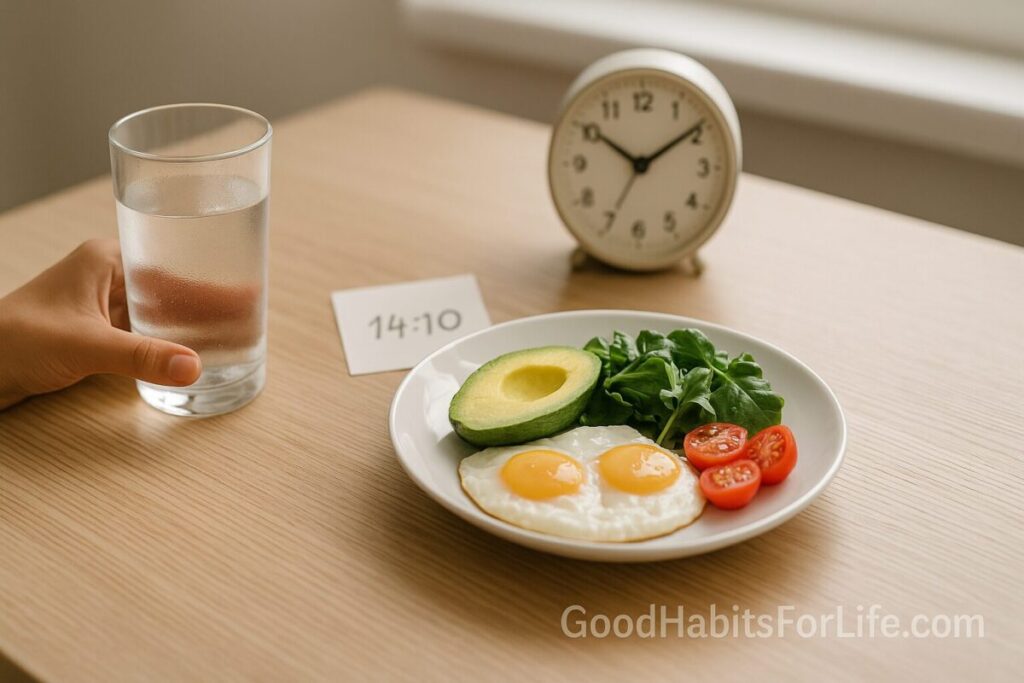
Intermittent fasting (IF) is an eating pattern that alternates between periods of fasting and eating. Common forms include time-restricted eating (daily eating windows like 14:10 or 16:8) and intermittent calorie restriction (e.g., the 5:2 plan). It’s not a license to eat poorly during windows; food quality still matters. Hopkins MedicineMedlinePlus MagazineHarvard Health
Plain-English example: If you choose 14:10, you might eat between 08:00–18:00 and fast the rest.
✅ Why People Try It (Evidence at a Glance)
Early and emerging research ties IF to weight loss and modest cardiometabolic improvements (insulin sensitivity, blood pressure, lipids) in some people, though results vary and long-term data are still developing. In several reviews and trials, IF performs about as well as traditional calorie restriction; some people find it simpler to follow. Harvard HealthThe Nutrition SourceNational Institute on AgingNational Institutes of Health (NIH)
Translation: IF can work, but how you eat still matters. Build meals around whole foods—vegetables, legumes, whole grains, lean proteins, nuts, and seeds. World Health Organization
🛠️ Quick-Start Today
-
Pick a gentle window for one week: try 12:12 (e.g., 08:00–20:00) or 14:10 if you already eat early dinners. NIH News in Health
-
Anchor meals: 2–3 balanced meals; emphasize protein (1.2–1.6 g/kg/day), fiber, and unsaturated fats.
-
Drink smart: water first; black coffee/unsweetened tea if you like. Cleveland Clinic
-
Move daily: light-to-moderate activity (walks, mobility) during fasts; harder sessions during your eating window.
-
Sleep 7–9 hours; poor sleep worsens hunger signals.
-
Review at week’s end: energy, mood, digestion, adherence. If positive, consider tightening to 14:10 or 16:8—only if you feel well.
🧪 Sensible Fasting Windows (12:12, 14:10, 16:8, 5:2, ADF)
| Method | What it looks like | Difficulty (typical) | Notes |
|---|---|---|---|
| 12:12 | 12 h eat / 12 h fast | Low | A common, likely safe baseline for most healthy adults. NIH News in Health |
| 14:10 | Eat in 10 h | Low-moderate | Beginner-friendly; often pairs well with early dinners. |
| 16:8 | Eat in 8 h | Moderate | Popular TRE; keep diet quality high. Hopkins Medicine |
| 5:2 | 5 days usual eating; 2 non-consecutive days ~500–600 kcal | Moderate | Needs planning; not ideal for everyone. British Heart Foundation |
| ADF (alternate-day fasting) | Fast or very low kcal every other day | Higher | Effective in some trials; often harder to sustain. Harvard Public Health |
Tip: Start where adherence is easiest. A small, sustainable calorie deficit with high-quality food beats an aggressive window you can’t maintain. Harvard Health
💧 Water & Fasting-Friendly Drinks
During fasting windows, avoid calories. Good choices:
-
Water (still or sparkling)
-
Black coffee
-
Unsweetened tea (green, black, herbal)
-
Be cautious with artificial sweeteners; consider minimizing them. Cleveland Clinic
Hydrate to thirst; a pale-yellow urine color is a practical sign you’re doing fine. If you feel light-headed, pause the fast and rehydrate. (If symptoms persist, seek medical advice.)
⚠️ Who Should Avoid IF or Get Medical Supervision
-
Pregnant or breastfeeding people
-
Children/teens <18
-
Anyone with a history of eating disorders
-
People with diabetes (especially on insulin/sulfonylureas) or other conditions/medications affected by meal timing—only with clinician guidance
-
Those with chronic conditions (e.g., cardiac disease, hypertension) should discuss safety first. Hopkins MedicineNIDDK+1EMRO
🧠 Techniques & Frameworks That Help
-
Circadian alignment: Shift your window earlier (e.g., 08:00–16:00) a few days per week; early time-restricted eating shows modest metabolic benefits in some studies. National Institutes of Health (NIH)
-
Protein & fiber floor: Aim for protein at each meal plus vegetables/whole grains to blunt hunger.
-
Consistent schedule: Keep similar windows on most days; your body likes rhythm. Cleveland Clinic
-
Quality over window size: IF is not magic; prioritize minimally processed foods. World Health Organization
-
Evidence mindset: Results are mixed; adjust based on your data (energy, labs, adherence). Harvard HealthNational Institute on Aging
👥 Audience Variations
-
Students/Teens: Generally not recommended for under-18s; focus on regular meals and sleep. Hopkins Medicine
-
Parents/Caregivers: Pick windows that fit family meals (e.g., 10:00–20:00).
-
Professionals/Shift Workers: Try a consistent 12-hour eating window aligned with your sleep schedule; avoid extreme fasts on night shifts.
-
Seniors: Start with 12:12; prioritize protein for muscle and check medications with your clinician.
⚠️ Mistakes & Myths to Avoid
-
Myth: “IF guarantees more fat loss than calorie control.”
Fact: It’s often similar to standard calorie restriction; adherence is the advantage. Harvard Health -
Mistake: Over-restricting (e.g., <8-hour windows) from day one; often backfires.
-
Mistake: “Anything goes” eating window—ultra-processed foods will blunt results. World Health Organization
-
Myth: “You can’t drink coffee.” Black coffee is fine for most people. Cleveland Clinic
🗣️ Real-Life Examples & Scripts
Sample 14:10 day
-
08:00 first meal: Greek yogurt + fruit + oats
-
13:00 meal 2: lentil-veg bowl + olive oil
-
17:30–18:00 meal 3: salmon/tofu + quinoa + salad
-
Fasting 18:00–08:00; water/tea allowed
Social script:
“I’m eating earlier these days, so I’ll join for lunch instead of a late dinner. If we meet after 18:00, I’ll just have sparkling water.”
🔧 Tools, Apps & Resources
-
Zero, LIFE Fasting, Fastic — simple timers and streaks; easy adherence tracking
-
Cronometer, MyFitnessPal — check protein/fiber; avoid under-fueling
-
NHS Weight Loss Plan — if you prefer non-IF structured weight loss. nhs.uk
🧭 30-60-90 Day Habit Roadmap
Days 1–30 (Find Your Floor)
-
Run 12:12 daily; log meals, sleep, mood.
-
Nail protein & fiber at each meal; walk 7–9k steps/day.
-
Check energy and adherence weekly; if solid, test 14:10 twice per week.
Days 31–60 (Dial-In)
-
Standardize 14:10 on weekdays; optionally 16:8 1–2 days/week.
-
Add 2–3 strength sessions/week; keep post-training meal inside the window.
-
Evaluate biomarkers if available (weight trend, waist, fasting glucose/lipids with clinician).
Days 61–90 (Personalize)
-
Choose a sustainable default (12:12 or 14:10 for many).
-
Consider 5:2 only if lifestyle fits and health professional agrees. British Heart Foundation
-
Build a “break-the-fast” ritual: protein + fiber + color (veg/fruit).
📌 Key Takeaways
-
Start easy (12:12 or 14:10), keep quality food front and center. NIH News in HealthHarvard Health
-
Hydration matters; choose water/unsweetened drinks during fasts. Cleveland Clinic
-
IF is one tool. If it fits your life and labs, keep it; if not, use other evidence-based approaches. World Health Organization
❓ FAQs
1) Can I drink water or coffee while fasting?
Yes—water (still/sparkling), black coffee, and unsweetened tea are fine; avoid calories and go easy on sweeteners. Cleveland Clinic
2) Will IF slow my metabolism?
Short-term fasting generally doesn’t “shut down” metabolism; weight-loss plateaus are more about total intake, movement, sleep, and stress. (Prioritize protein, fiber, and strength work.)
3) Is 16:8 better than 14:10?
Not necessarily. The “best” window is the one you can sustain with a high-quality diet. Many people do well with 12:12 or 14:10. NIH News in HealthHarvard Health
4) Who should not do IF?
Under-18s, pregnant/breastfeeding people, anyone with an eating disorder, and many with diabetes or on glucose-lowering meds—unless a clinician supervises. Hopkins MedicineNIDDK
5) Can I work out fasted?
Light-to-moderate exercise is fine for many; place heavy sessions inside your eating window and refuel with protein and carbs.
6) What if I get headaches or dizziness?
End the fast, hydrate, eat a balanced snack, and reassess whether your window is too tight. Persistent symptoms → speak to a clinician.
7) Is 5:2 safe?
It can work for some, but it’s not for everyone and needs planning; medical guidance is wise if you have conditions or take medications. British Heart Foundation
8) Does IF help diabetes?
Some small studies suggest IF can aid weight loss and glycaemic control, but medication timing makes self-experimentation risky—get individualized guidance. National Institutes of Health (NIH)NIDDK
📚 References
-
Harvard Health Publishing. “Can intermittent fasting help with weight loss?” Harvard Health
-
Harvard T.H. Chan School of Public Health — Nutrition Source: “Diet Review: Intermittent Fasting.” The Nutrition Source
-
National Institute on Aging (NIH). “Research on intermittent fasting shows health benefits.” National Institute on Aging
-
NIH Research Matters. “Time-restricted eating for metabolic syndrome.” National Institutes of Health (NIH)
-
Johns Hopkins Medicine. “Intermittent Fasting: What is it, and how does it work?” Hopkins Medicine
-
Johns Hopkins Medicine. “Intermittent fasting: Live ‘Fast,’ Live Longer?” (overview of TRE/6–8-hour windows). Hopkins Medicine
-
Cleveland Clinic. “Intermittent Fasting: 4 Different Types Explained.” (fasting-friendly drinks) Cleveland Clinic
-
British Heart Foundation. “Is the 5:2 diet a good way to lose weight?” British Heart Foundation
-
NIH Research Matters. “Intermittent fasting for weight loss in people with type 2 diabetes.” National Institutes of Health (NIH)
-
WHO. “Healthy diet” (diet quality guidance). World Health Organization
-
WHO EMRO. “Stay healthy during Ramadan” (fasting and diabetes safety). EMRO
-
NIH News in Health. “To Fast or Not to Fast.” (12:12 practicality) NIH News in Health
Disclaimer: This article is educational and not a substitute for personalized medical advice; consult your healthcare professional before changing your diet, especially if you have medical conditions or take medication.