
Altitude Masks & Gadgets: Worth It?: Dopamine Detox (2025)
Altitude Masks & Gadgets: Worth It in 2025?
Table of Contents
🧭 What We’re Evaluating
This review looks at two big 2025 fitness/wellness trends people ask about:
-
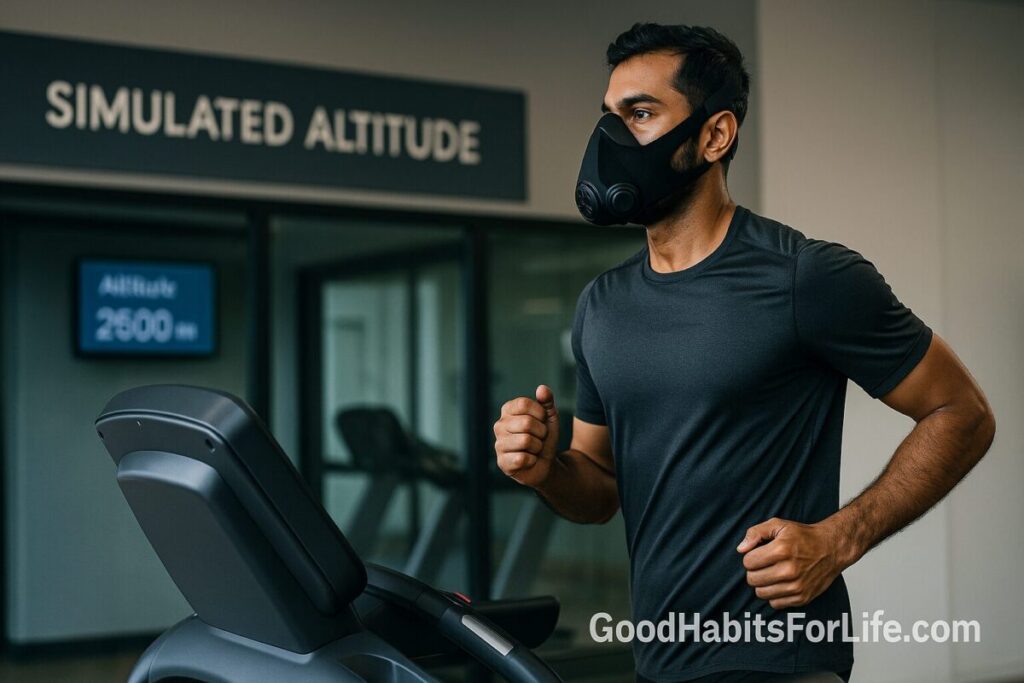
Altitude masks & hypoxic gadgets — “elevation training masks,” hypoxic tents/rooms, and related accessories claimed to build endurance fast.
-
“Dopamine detox” — a viral idea that stepping away from stimulating activities “resets dopamine” to regain focus and enjoyment.
Bottom line up front:
-
Elevation masks primarily act as respiratory muscle trainers (they restrict airflow and make breathing harder) rather than lowering oxygen like real altitude. That means some specific benefits (e.g., breathing muscle strength), but they don’t truly simulate altitude. PMC+1
-
Genuine hypoxic strategies (e.g., living/sleeping high and training lower intensity sessions at sea level, or supervised intermittent hypoxic training) can improve endurance performance in certain athletes, though findings are mixed and depend on dose, athlete level, and protocol rigor. PMC+1PubMed
-
“Dopamine detox” is a mislabel. You can’t detox a neurotransmitter, but structured breaks from screens/social media can yield small improvements in mood, sleep, and stress when paired with replacement behaviors. Harvard HealthPMC+1
📚 The Science in Brief
Altitude masks vs real altitude
-
Elevation masks increase the work of breathing. In controlled trials, they improved inspiratory/expiratory muscle strength and some fitness markers, but they did not mimic hypoxia (reduced inspired O₂) the way high altitude does. Think “breathing muscle gym,” not “mountain air in a mask.” PMC
-
Live-High-Train-Low (LHTL) and related hypoxic exposures can improve physiological markers (e.g., hemoglobin mass) and sometimes performance, but results vary and rigorous, blinded studies show mixed outcomes. Effectiveness depends on hypoxic dose (hours × altitude), individual responders, and training control. PMCPubMed+1
-
Intermittent hypoxic training (IHT) meta-analyses suggest VO₂max gains; others note limited or context-dependent benefits—illustrating the importance of athlete selection and protocol quality. PMC+1
“Dopamine detox” vs behavior change
-
The term “dopamine detox” popularized online is misleading; dopamine isn’t a toxin you flush out. The useful practice underneath is reducing overstimulating inputs (e.g., doomscrolling) and rebuilding attention through behavioral strategies (CBT-style habit changes, time-boxing, and environment design). Harvard Health
-
Evidence: randomized studies show screen-time reduction or short social-media breaks can produce small but meaningful improvements in depressive symptoms, stress, sleep, and well-being. Effects are not huge and not universal, but they’re consistent enough to be practical. PMC+1
✅ Quick-Start: What to Do This Week
If you’re considering an altitude mask:
-
Clarify your goal. If it’s general fitness or 5–10 km running, prioritize aerobic base, intervals, and strength before any gadgets.
-
Use as RMT (not faux-altitude). Try 2–3 sessions/week of inspiratory/expiratory muscle work (e.g., 2–3×10–15 resisted breaths), separate from key runs/rides. Stop if dizzy or breathless. PMC
-
Measure real progress. Track pace at given heart rate, time-to-exhaustion intervals, and Rate of Perceived Exertion (RPE).
If you’re curious about “dopamine detox”:
-
Rename it: “Screen-break habit.”
-
Set a 30–60-minute daily phone-free block (add a charger in another room).
-
Pair with a replacement habit: walk, mobility, reading, meal prep.
-
Use built-in tools (iOS Screen Time / Android Digital Wellbeing) to cap social apps at 30–45 min/day. PMC
🛠️ 30-60-90 Day Habit Plan
Days 1–30 — Foundations
-
Training: 3–4 aerobic sessions/week (Zone 2), 1 interval day, 2 strength sessions (compound lifts + calves/core), 1 full rest day.
-
Breathing muscle add-on (optional): 2×/week light RMT after easy sessions (skip during illness).
-
Screen-breaks: 1 daily 45-minute phone-free block; app limits at 45 min/day total for social media; no phone in bedroom. PMC
-
Metrics: resting HR, perceived energy, sleep hours, 5-km time trial baseline.
Days 31–60 — Build
-
Training: Keep volume; add threshold intervals (e.g., 3×10 min @ comfortably hard).
-
RMT: Progress to 3×/week if tolerated (but never on hard interval days).
-
Screen-breaks: Add a weekly 24-hour light digital sabbath (maps/music allowed, no social/feeds).
-
Metrics: 5-km re-test; submax HR at set pace; weekly mood/sleep rating.
Days 61–90 — Sharpen
-
Training: Race-pace workouts, taper in last 10 days.
-
Hypoxic exposure (advanced/optional): Only with a qualified coach/clinic; target appropriate hypoxic dose if using LHTL/IHT. PMC
-
Screen-breaks: Keep daily block; review which offline habits stuck; extend app limits if no back-slide.
🧠 Techniques & Frameworks (That Actually Translate)
For endurance gains
-
Polarized training (80/20): ~80% easy, ~20% hard; protects recovery while nudging VO₂.
-
RPE + HR + pace/power triangulation: Simple, device-agnostic guidance.
-
RMT protocol: Short, consistent sessions; avoid during respiratory illness. Evidence supports respiratory muscle strength/endurance gains even if it’s not altitude. PMC
-
Hypoxic strategies: If you pursue them, think dose (hours × altitude), iron status, and coach oversight; not a casual DIY. PMC
For attention & screen hygiene
-
Time-boxing: Fixed daily phone-free blocks + caps.
-
Replacement first: Always pair reduction with a specific activity (walk with a friend, 20-minute tidy, stretch flow).
-
Friction design: Move social apps off the home screen; grayscale during work; charger outside bedroom.
-
Data loop: Weekly check of sleep hours, mood, and productivity; adjust caps accordingly. PMC
👥 Variations by Audience
-
Students/Teens: Favor team sports or park runs; enforce night-time phone curfew and a shared charging station. Keep high-intensity sessions short (10–20 min).
-
Busy Professionals: Two quality sessions/week (threshold or intervals) + brisk commutes. Use calendar-blocked phone-free lunch.
-
Parents: Stroller walks, playground circuits, 15-minute strength snacks. Model your own phone-free hour after dinner.
-
Seniors (or deconditioned): Prioritize walking volume, light strength, balance drills. Skip hypoxic devices unless cleared by a clinician.
-
Competitive endurance athletes: Consider supervised hypoxic blocks only if the basics are maxed out (volume, sleep, nutrition, iron status).
⚠️ Mistakes & Myths to Avoid
-
Myth: “Masks simulate altitude.” Reality: They restrict airflow; oxygen percentage isn’t lower like at altitude. PMC
-
Myth: “Dopamine detox resets your brain chemistry.” Reality: Dopamine isn’t being detoxed; you’re practicing stimulus control and habit substitution. Harvard Health
-
Mistake: Doing hard RMT the day of key intervals or when sick.
-
Mistake: DIY hypoxic exposure without medical/coach oversight—especially if you have anemia, sleep apnea, or cardiopulmonary conditions.
-
Mistake: Removing screens without planning what replaces them—the void invites relapse.
🗣️ Real-Life Examples & Scripts
Coach → Athlete (mask curiosity)
“If you enjoy the mask, let’s slot it twice weekly after easy days as breathing muscle work. We’ll measure progress by your pace at set heart rates—not by how hard the mask feels.” PMC
You → Yourself (screen-break commitment)
“From 20:30–21:15, phone goes on the hall charger. I’ll prep tomorrow’s breakfast and do a 10-minute stretch. If I grab the phone, I owe 10 bodyweight squats.” PMC
Family agreement
“Saturday 10–12 is a phone-free window: bike ride, market, or board game. Emergencies only.”
🧰 Tools, Apps & Resources (Pros & Cons)
-
iOS Screen Time / Android Digital Wellbeing
-
Pros: Built-in, free, granular app limits and downtime.
-
Cons: Easy to override; requires discipline. PMC
-
-
Basic respiratory muscle trainer or mask
-
Pros: Can strengthen breathing muscles; compact.
-
Cons: Does not replicate altitude; avoid maximal efforts when unwell; benefits are context-specific. PMC
-
-
Professional hypoxic exposure (LHTL/IHT)
-
Analog replacements (books, kettlebell, yoga mat, walking shoes)
-
Pros: Make screen-breaks satisfying.
-
Cons: Requires upfront habit planning.
-
📌 Key Takeaways
-
Use elevation masks only as breathing muscle tools—not as altitude simulators. PMC
-
If you’re not a competitive endurance athlete with an expert coach, skip hypoxic gadgets; double down on proven basics. Evidence for LHTL/IHT is promising yet mixed and protocol-sensitive. PMCPubMed
-
Replace the “dopamine detox” myth with screen-break habits: daily phone-free blocks + app caps + replacement activities; expect small but real gains in mood, sleep, and focus. PMC+1
❓ FAQs
1) Do altitude masks increase VO₂max like altitude camps?
Not in the same way. They mainly strengthen breathing muscles and raise perceived effort; they don’t reduce inspired O₂. Some fitness markers may improve, but it’s not equivalent to real altitude exposure. PMC
2) Who might benefit from an elevation mask?
Athletes wanting targeted respiratory muscle training (e.g., rowers, swimmers, endurance athletes) may experiment in addition to standard training—ideally away from key workout days.
3) Is live-high-train-low worth it?
Sometimes. Performance gains depend on dose, athlete type, iron status, and control of training intensity. Results are mixed across rigorous trials. PMCPubMed
4) Can I DIY intermittent hypoxic training?
Best avoided without supervision; dosing and monitoring matter. Consider only with a sports-medicine or performance lab. PMC
5) Does a “dopamine detox” reset dopamine?
No. It’s a catchy name for behavior change. You can’t detox dopamine; you can reduce high-stimulation inputs and rebuild attention through structured habits. Harvard Health
6) How long should I cut social media to feel better?
Trials show benefits from one-week breaks and three weeks of screen-time reduction (small to medium effects on mood/sleep). Try daily caps plus one weekly off-window. PMC+1
7) Any risks with masks or hypoxic tools?
Yes: dizziness, hyperventilation, or aggravating underlying conditions. Avoid when sick; seek medical advice if you have heart/lung disease or anemia.
8) I’m a beginner. What’s the single best move?
Skip gadgets. Train 4–5×/week, sleep 7–9 h, eat enough protein, walk daily, and keep one phone-free hour.
📚 References
-
Porcari JP et al. Effect of Wearing the Elevation Training Mask on Aerobic Capacity, Lung Function, and Hematological Variables. J Sports Sci Med (2016). PMC
-
Abouzeid N et al. High-Intensity Interval Training Using Elevation Training Mask. Biology of Sport (2023). PMC
-
Bonato G et al. Physiological and performance effects of live high train low: A narrative review. Frontiers in Sports and Active Living (2023). PMC
-
Feng X et al. Optimal type and dose of hypoxic training for improving performance. Frontiers in Physiology (2023). PMC
-
Bejder J et al. Specificity of Live High-Train Low on performance: critical appraisal. Sports Med (2018). PubMed
-
Huang Z et al. Intermittent hypoxic training and aerobic capacity: meta-analysis. J Int Soc Sports Nutr (2023). PMC
-
Harvard Health Publishing. Dopamine fasting: Misunderstanding science spawns a maladaptive fad. (2020). Harvard Health
-
Pieh C et al. Smartphone screen time reduction improves mental health: randomized controlled trial. BMC Medicine (2025). PMC
-
Plackett R et al. The Impact of Social Media Use Interventions on Mental Well-Being. Systematic review (2023). PMC
-
Hunt MG et al. Limiting Social Media Decreases Loneliness and Depression. J Soc Clin Psychol (2018). PDF link. Creators Free Press
⚖️ Disclaimer
This article provides general educational information about fitness and mental well-being and is not a substitute for personalized medical advice; consult a qualified professional before changing your training or using hypoxic/respiratory devices.