
Couch to 5K, the Mindful Way: Zone 2 + NEAT (2025)
Couch to 5K, the Mindful Way: Zone 2 + NEAT (2025)
Table of Contents
🧭 What & Why: Zone 2 + NEAT for Couch to 5K
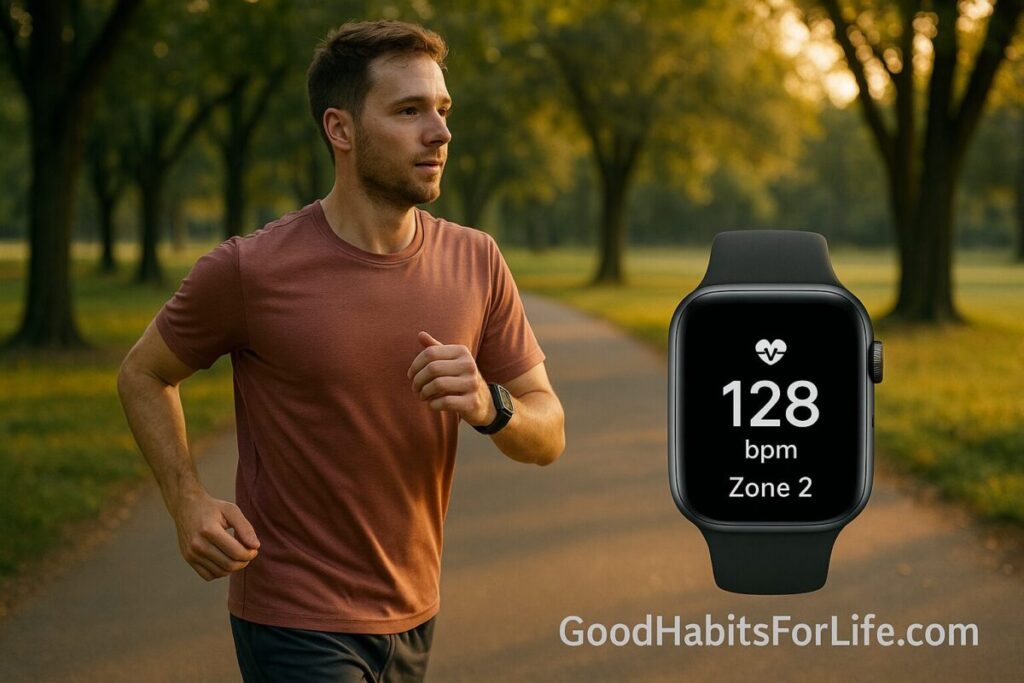
Zone 2 is an easy aerobic intensity where you can hold a conversation. It corresponds roughly to 60–70% of max heart rate or RPE 3–4/10 on a perceived exertion scale. Training here builds your aerobic base—mitochondria density, capillaries, and fat-oxidation efficiency—so you can run longer with less fatigue.
NEAT (Non-Exercise Activity Thermogenesis) is the everyday movement outside of workouts (walking, chores, standing). It quietly contributes a large share of daily energy burn and supports metabolic health and recovery.
Why this mindful combo works:
-
More gain, less strain. Easy-paced mileage improves endurance with lower injury risk than frequent high-intensity work.
-
Better recovery. Staying mostly in Zone 2 lets tendons and joints adapt while your cardiovascular system improves.
-
Sustainable habit loop. Daily NEAT (7–10k steps, gentle mobility) adds movement without willpower battles and complements your runs.
-
Evidence-aligned. Health guidelines emphasize regular moderate activity; endurance research shows a large share of low-intensity work benefits performance and adherence (see References).
✅ Quick Start: Do This Today
-
Pick your days. Choose 3 run/walk days (e.g., Mon-Wed-Sat).
-
Set “easy” using the Talk Test. You should be able to speak full sentences without gasping. If words break up, slow down or walk.
-
Warm up (5–7 min). Brisk walk + dynamic moves (leg swings, ankle rolls, hip circles).
-
Run-walk 20–25 min. Start 1 min easy jog + 2–3 min walk, repeat. Stay conversational.
-
Cool down (3–5 min). Walk + 2–3 mobility drills (calf, hip flexor, glute).
-
Log it. Note minutes, intervals, how you felt (RPE), and total steps.
-
NEAT target. Aim for 7,000–10,000 steps/day (adjust for your baseline).
-
Shoes. Wear comfortable, neutral running shoes that feel great from step one.
-
Hydrate & fuel. Water normally; small snack (e.g., fruit + yogurt) if needed.
-
Sleep. Prioritize 7–9 hours; recovery is training.
🛠️ 8-Week Habit Plan (Zone 2 + NEAT)
Structure: 3 run-walk sessions/week (Z2), 2 optional strength/mobility days, daily NEAT. If something flares up, repeat the week. Pace is secondary; effort and consistency win.
| Week | Sessions (3x/wk) | Intervals (Run : Walk) | Z2 Cue | NEAT Target | Notes |
|---|---|---|---|---|---|
| 1 | 20–25 min | 1:2–3 | Full-sentence talk | 7–9k steps | Learn form, easy breathing. |
| 2 | 22–28 min | 1:2 | Talkable, RPE 3–4 | 7–9k | Add 5 min to longest day. |
| 3 | 25–30 min | 2:2 | Nose-breath most of time | 8–10k | Keep strides light; no racing. |
| 4 | 28–32 min | 2:1.5 | Short chat OK | 8–10k | Optional strides: 4×10s relaxed. |
| 5 | 30–35 min | 3:2 | Still easy overall | 8–10k | One session on soft surface. |
| 6 | 32–38 min | 4:2 | Can say 6–8 words | 9–11k | Add 10–15 min easy walk after. |
| 7 | 34–40 min | 5:2 | Steady, relaxed | 9–11k | Cut volume 10% if achy. |
| 8 | 36–45 min | 8–10 min continuous, then walk as needed | Conversational | 9–11k | Try a parkrun/5K at easy effort or continuous run day. |
Strength/Mobility (2×/wk, 15–25 min): calf raises, split squats, hip hinges, side planks, monster walks, ankle/hip mobility.
Progression rule: Increase time or intervals, not both at once; keep total weekly time increases ≤10–15%.
🧠 Techniques & Frameworks
Find Zone 2 without gadgets
-
Talk Test: Can you chat in full sentences? Yes = Z2.
-
RPE 3–4/10: Easy, relaxed; breathing slightly elevated.
-
Heart rate (optional): ~60–70% of HRmax (roughly 220−age, individualized).
Run-Walk Method
-
Purpose: Manage impact, keep intensity easy, extend duration safely.
-
Adjust the ratio weekly; if breathing strains, add more walk.
Form Cues (light & quiet)
-
Tall posture, slight forward lean from ankles.
-
Short steps, quick but relaxed cadence (many feel good around 160–175 steps/min).
-
Land under your center of mass; aim for soft, quiet footfalls.
Mindful Running Anchors
-
Breath: 3–4 steps inhale, 3–4 steps exhale.
-
Body scan: Every 5 minutes, relax shoulders/jaw, drop elbows.
-
Environment: Notice 3 sights + 3 sounds; keep it enjoyable.
Recovery Basics
-
1 true rest day weekly.
-
Mobility snacks: 2–3 × 2 min/day (ankles/hips).
-
Fuel: Protein 20–30 g with meals; carbs around sessions if needed.
👥 Audience Variations
Students/Teens: Keep sessions short and fun (park loops, group runs). Emphasize sleep and hydration; avoid racing peers.
Busy Professionals: Schedule AM runs; one lunchtime brisk walk for NEAT. Use treadmill for heat/rain days.
Parents/Caregivers: Stroller walks for NEAT; stack runs with kids’ activities; 20-min sessions are fine.
Older Adults/Returners: Start with more walking (1:3 or 1:4), focus on balance/strength. Clear medical concerns with a clinician first.
Plus-Size/New Movers: Extra walk breaks, choose joint-friendly surfaces, prioritize comfort shoes and chafe control.
⚠️ Mistakes & Myths to Avoid
-
Myth: “Zone 2 is too easy to help.”
Reality: Aerobic base from easy work is foundational and well-supported by research. -
Jumping volume too fast. Keep increases ≤10–15%/week.
-
Racing every run. Save harder running for later cycles.
-
Static stretching before runs. Use dynamic warmups; save long static holds for after.
-
Ignoring niggles. If pain alters your stride, stop and swap to walking/cycling; seek professional advice if persistent.
-
Shoe obsession. Comfort and fit beat brand or trend.
💬 Real-Life Scripts & Examples
-
Calendar block (work): “I have a 25-minute health block Mon-Wed-Sat. If needed, I’ll shift but won’t skip.”
-
Buddy text: “Doing easy run-walks in the park at 7 AM, Zone 2 pace. Want in? We should be able to chat the whole time.”
-
Family ask: “I’ll take bedtime Friday; can I get 30 minutes Saturday AM for my run?”
-
Self-talk during a run: “Easy is effective. Breathe, relax, light feet.”
🧰 Tools, Apps & Resources
-
Apps: NHS Couch to 5K (audio guidance), Strava, Polar Beat, Garmin Connect, Apple Workout, Google Fit/Pacer (steps).
-
Pros: structure, logs, social support. Cons: notifications can distract—limit alerts.
-
-
Heart-Rate Monitors: Chest straps are most accurate; watches are convenient but can lag.
-
Shoes: Neutral, cushioned trainers that feel great at slow paces.
-
Extras: Simple metronome app for cadence; foam roller for calves; hat/sunscreen for hot days.
🔑 Key Takeaways
-
Build your 5K with easy intensity + everyday movement.
-
Consistency beats heroics—three Zone 2 sessions weekly is enough.
-
Use run-walk to stay easy and pain-free; progress gradually.
-
Add NEAT and simple strength for better endurance and resilience.
-
Repeat weeks freely—arriving healthy is the win.
❓FAQs
1) What exactly is Zone 2?
An easy aerobic effort where you can talk in sentences (about 60–70% HRmax or RPE 3–4). If you can’t talk comfortably, slow down or walk.
2) Do I need a heart-rate monitor?
No. The talk test and RPE work well. A chest strap helps if you like numbers.
3) Can I lose weight with Couch to 5K + NEAT?
Possibly. Running adds energy burn and improves fitness; pairing with higher NEAT and nutrition habits typically works best.
4) How often should I run?
Begin with 3 sessions/week. Fill the rest with light NEAT and 1–2 short strength/mobility sessions.
5) I felt shin/calf pain. What now?
Back off to walking, reduce weekly volume by ~20–30%, and add calf strength/mobility. If pain persists or changes your gait, consult a professional.
6) When can I run a full 5K continuously?
Many reach it by week 8–10. If breathing strains, extend the plan (repeat weeks) until easy continuous running is possible.
7) Is treadmill OK?
Yes. Set a slight incline (1%) to mimic outdoors. Keep it easy and conversational.
8) Should I include strength training?
Yes—15–25 minutes twice weekly (calves, hips, core) reduces injury risk and helps running economy.
9) What’s a good daily step goal?
Start with your baseline and nudge toward 7,000–10,000 steps; more isn’t always better if it compromises recovery.
📚 References
-
World Health Organization. WHO Guidelines on Physical Activity and Sedentary Behaviour (2020). https://www.who.int/publications/i/item/9789240015128
-
U.S. Department of Health and Human Services. Physical Activity Guidelines for Americans, 2nd ed. (2018). https://health.gov/our-work/physical-activity/current-guidelines
-
Stöggl, T., & Sperlich, B. “Polarized training has greater impact on key endurance variables than threshold, high intensity, or high volume training.” PLOS ONE (2014). https://doi.org/10.1371/journal.pone.0113635
-
Foster, C. et al. “The Talk Test as a marker of ventilatory threshold.” Journal of Cardiopulmonary Rehabilitation (2008). https://pubmed.ncbi.nlm.nih.gov/19008618/
-
Levine, J.A. “Non-exercise activity thermogenesis (NEAT).” Best Practice & Research Clinical Endocrinology & Metabolism (2002). https://pubmed.ncbi.nlm.nih.gov/12064815/
-
American College of Sports Medicine. “Quantity and Quality of Exercise for Developing and Maintaining Fitness in Healthy Adults.” Med Sci Sports Exerc (2011 Position Stand). https://pubmed.ncbi.nlm.nih.gov/21694556/
-
NHS. Couch to 5K: Week-by-Week Plan. https://www.nhs.uk/live-well/exercise/couch-to-5k-week-by-week/
-
Behm, D.G., & Chaouachi, A. “A review of the acute effects of static and dynamic stretching on performance.” Eur J Appl Physiol (2011). https://pubmed.ncbi.nlm.nih.gov/21170753/
Disclaimer: This article is educational and not a substitute for personal medical advice; consult a qualified professional before starting or changing an exercise program, especially if you have health concerns.