
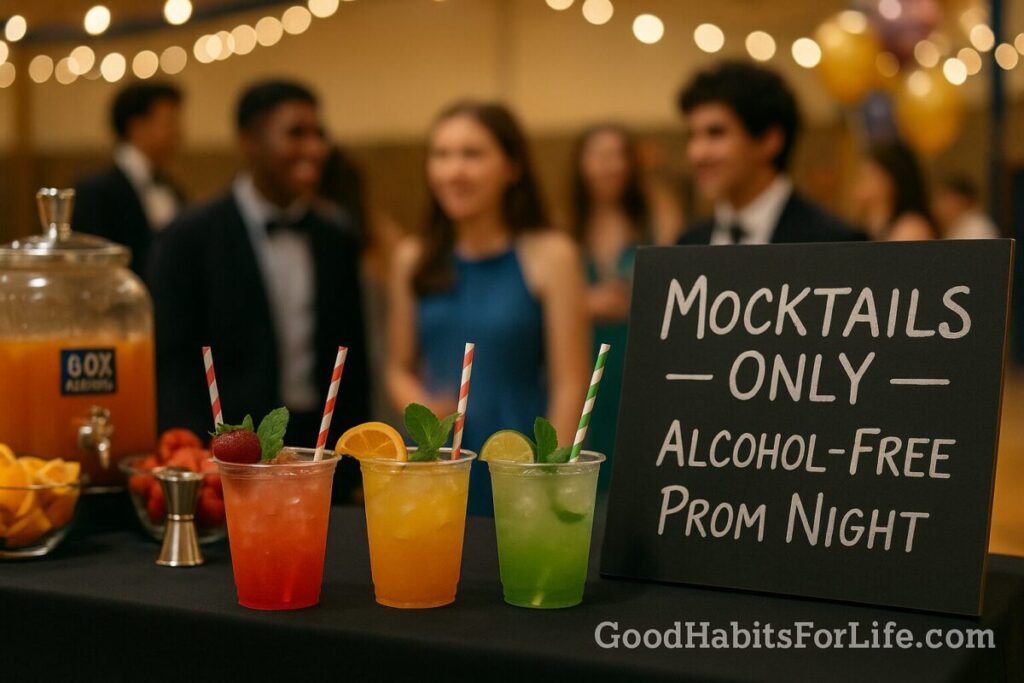
Prom & Parties: Great Mocktails for Teen Nights
Prom & Parties: Great Mocktails for Teen Nights
Table of Contents
🧭 What Are Teen Mocktails & Why They Matter
Teen mocktails are alcohol-free, flavor-forward drinks designed to feel special at proms, graduations, birthdays, and school socials. They deliver the “celebration” effect—color, fizz, ritual—without alcohol.
Why it matters
-
Safety & legal compliance: Underage drinking raises crash risk, injuries, and poor judgment; alcohol is illegal for minors in many regions and linked to harms documented by public health authorities.
-
Inclusion: Not all teens want—or can have—stimulants or sugary sodas. Mocktails offer a third way: festive and flexible.
-
Healthy norms: Visible, fun alcohol-free options help set positive expectations for parties and school culture.
-
Budget & control: You can pre-batch, portion, and monitor exactly what’s served.
Tip: Avoid “NA beer/wine” for minors. Labels may show 0.0–0.5% ABV and the lookalikes can blur boundaries at school events.
✅ Quick-Start: Set Up a Prom-Ready Mocktail Bar (30–60 min)
1) Stations & flow
-
Welcome Pour: A single signature fizz at entry (pre-batched).
-
Build-Your-Own Bar: Iced bases + bubblies + acids + garnishes.
-
Hydration Station: Chilled water, infused water (citrus, mint, berries).
2) Core inventory (for ~100 servings)
-
Bases (8–10 L): 100% juices (orange, pineapple, cranberry), brewed hibiscus or berry tea, coconut water.
-
Bubbly (10–12 L): Soda water/club soda, caffeine-free lemon-lime.
-
Sours (2–3 L): Fresh lemon/lime juice; shelf-stable pasteurized works.
-
Sweeteners (1–2 L): Simple syrup (1:1), honey syrup (2:1), or stevia drops.
-
Garnishes (bulk): Citrus wheels, mint, cucumber ribbons, frozen berries.
-
Ice: 0.45–0.7 kg (1–1.5 lb) per guest for a 3–4-hour event.
-
Gear: 2–3 jugs for pre-batch, ladles, jiggers, bar spoons, clear 300–350 mL cups (10–12 oz), napkins, waste bin, gloves.
3) Safety & labeling
-
Zero-Alcohol Only: Signage + chaperone presence.
-
Allergens: Label “contains: citrus, dairy, coconut, honey.”
-
Caffeine-free default: Keep energy drinks off the menu.
-
Spiking prevention: Staffed bar, sealed syrups, no opaque flasks, clear cups, bus tubs for empty containers.
4) Display & vibe
-
Menu board with 4–6 names, color-coded dots for low/medium/high sugar, and cute emojis.
-
Pre-cut garnishes in chilled trays; keep hands/gloves clean and tongs available.
🛠️ The 3:2:1 Formula + 12 Crowd-Pleaser Recipes
Framework:
3 parts base (juice/tea/coconut water) : 2 parts bubbly (soda water) : 1 part sour (lemon/lime).
Sweeten to taste (0–10 mL per 200 mL / 0–2 tsp per 7 fl oz). Add a fresh garnish.
Scaling: 200 mL (≈7 fl oz) single serve → multiply by 10 for a 2 L pitcher.
Twelve easy recipes (single-serve ~250 mL / 8–9 fl oz)
-
Citrus Prom Fizz — 90 mL orange, 60 mL soda water, 30 mL lemon; 10 mL simple; orange wheel + mint.
-
Berry Mojito-Nojito — 90 mL cooled berry tea, 60 mL soda, 30 mL lime; 3–4 crushed berries; mint.
-
Pineapple-Cucumber Cooler — 90 mL pineapple, 60 mL soda, 30 mL lime; cucumber ribbon.
-
Watermelon Slush — 120 g blended watermelon + 60 mL soda + 20 mL lime; mint; no added sugar.
-
Ginger-Lime Spritz — 90 mL ginger infusion (mild), 60 mL soda, 30 mL lime; 5 mL honey syrup.
-
Mango Lassi Fizz — 80 mL thin mango lassi (yogurt + mango + water), 60 mL soda, 20 mL lemon; pinch cardamom. (dairy)
-
Sunset Crush — 60 mL orange + 30 mL cranberry + 60 mL soda + 30 mL lime; orange peel.
-
Tropical Coco-Cooler — 60 mL coconut water + 30 mL pineapple + 60 mL soda + 30 mL lime; toasted coconut rim (coconut).
-
Minted Lemon Shandy-ish (0.0) — 90 mL lemonade (diluted), 60 mL soda, 10 mL lemon; mint; no beer lookalikes.
-
Hibiscus Spark — 90 mL hibiscus tea, 60 mL soda, 30 mL lime; 5 mL agave; lime wheel.
-
Peach-Ginger Bellini-ish — 80 mL peach purée, 60 mL soda, 20 mL lemon; ginger slice.
-
Cran-Apple Crush — 60 mL apple + 30 mL cranberry + 60 mL soda + 20 mL lemon; apple fan.
Lower-sugar swaps
-
Half-and-half juice + water for bases; use soda water instead of sweet soda; sweeten with stevia or don’t sweeten at all.
-
Add bitter notes (ginger, citrus peel) to reduce perceived sweetness without extra sugar.
🗓️ 7-Day Starter Plan (Prom Countdown)
Day −7: Pick 4–6 recipes; confirm venue rules; identify allergy needs.
Day −6: Order supplies; plan ice logistics; assign 2–3 volunteer “bar leads.”
Day −5: Design printable menu (color dots for sugar levels + allergy icons).
Day −4: Test-batch two recipes at home; finalize sweetness levels.
Day −3: Buy shelf-stable items (juices, tea, syrups, cups, gloves).
Day −2: Buy fresh produce; prep garnish containers; chill water.
Day −1: Pre-batch Welcome Pour in sealed jugs; print signage; set up tables, bins, and lighting.
Event Day: Ice last; staff bar; enforce clear-cup rule; rotate batches every 45–60 minutes; top up hydration station.
🧠 Techniques & Frameworks (Scaling, Safety, Sugar-Smart)
A. “3-2-1 + G” Mocktail Builder
-
3 Base (juice/tea/coconut) + 2 Bubbly + 1 Sour + G Garnish → repeatable, teachable, quick.
B. Color-Bar Layout
Group by color (red/berry, yellow/citrus, green/herbal). Teens pick with their eyes; lines move faster.
C. Sugar Traffic-Light
-
Green (≤5 g/100 mL): teas, infused water, watermelon slush.
-
Amber (5–8 g/100 mL): diluted juice fizzes.
-
Red (≥8 g/100 mL): purée-heavy recipes—offer in smaller cups.
D. Safety Protocol
-
Staffed bar, no NA beer/wine/spirits for minors, clear cups only, sealed ingredient storage, no energy drinks.
-
Chaperone check of backpacks/opaque bottles at entry per school policy.
E. Batch Math (for pitchers & service)
-
2 L pitcher ≈ 8–10 serves (200–250 mL each).
-
Estimate 2–3 serves per guest per hour for the first hour, then ~1–2 serves per hour.
👥 Audience Variations
Teens
-
Offer flavor flights (3 × 120 mL); photo-op garnish bar; sugar-smart icons.
-
Teach the 3:2:1 formula—let them co-create signatures with staff oversight.
Parents
-
Bring pre-cut fruit, extra coolers, spare ice; rotate as bar runners; model non-alcoholic celebration culture.
Schools/Organizers
-
Add wristband or stamp after ID check; queue ropes for orderly service; pre-event consent forms for photo use.
Venues/Caterers
-
Include mocktail bar in contract; specify no-alcohol clause, clear-cup requirement, and clean-up responsibilities.
⚠️ Mistakes & Myths to Avoid
-
“NA beer/wine is always 0.0%.” Not always. Many are up to 0.5% ABV—avoid for minors.
-
“Energy drinks make it fun.” Caffeine + late-night = poor sleep and jitters; skip them.
-
Over-sugaring. Use dilution and tart flavors; offer water between rounds.
-
Allergen blind spots. Flag dairy, coconut, honey; keep nut-free.
-
Unstaffed self-serve. Easier to spike or contaminate; always staff with adults.
🗣️ Real-Life Scripts & Signage Text
At the bar (teen to peer):
-
“I’m running the mocktail taste test—come vote!”
-
“I’m on Coco-Cooler tonight 🌴—want one?”
Declining alcohol (teen):
-
“No thanks, I’m team mocktail.”
-
“I’m driving early tomorrow—sparkling water for me.”
-
“School rules—zero alcohol. Try the Hibiscus Spark!”
Parent/Chaperone line:
-
“All drinks here are 0.0% alcohol. Clear cups only; thanks!”
-
“Allergy icons on the menu; ask us if you’re unsure.”
Signage (printable):
-
ZERO-ALCOHOL BAR. Clear cups only. No energy drinks. Allergy icons: 🥛 dairy | 🥥 coconut | 🍯 honey | 🍋 citrus.
📚 Tools, Apps & Resources
-
Recipe cards/menus: Canva or Google Docs templates; print A5 table tents.
-
Costing/Scaling: Spreadsheet (multiply by guests; batch by 2 L).
-
Food-safe gear: Jiggers (30/15 mL), bar spoons, 2 L pitchers with lids, insulated coolers.
-
Optional gear: Hand citrus juicer; label maker; tongs.
Pros/Cons snapshot
-
Pre-batching: +Fast service, consistent flavor; −needs cold storage.
-
Build-your-own: +Interactive; −requires adult oversight and clear labeling.
-
Purée-based: +“Wow” texture; −higher sugar; slower to pour.
-
Tea-based: +Low sugar; −needs advance brewing and chilling.
📌 Key Takeaways
-
A teen-friendly mocktail bar delivers the celebration feel—without alcohol.
-
Use the 3:2:1 framework to scale quickly and keep recipes consistent.
-
Make it safe and smooth: clear cups, staffed bar, allergy icons, caffeine-free by default.
-
Prefer juices/teas + soda water; manage sugar with dilution and tart notes.
-
Follow the 7-day plan to keep prom night calm, colorful, and memorable.
❓ FAQs
1) Are non-alcoholic beers or “zero-proof spirits” okay for minors?
Better to avoid. Some “NA” products contain up to 0.5% ABV, and lookalikes can normalize alcohol branding for teens. Choose clearly alcohol-free bases (juice, tea, coconut water, soda water).
2) How much should we serve per guest?
Plan 2–3 drinks per guest in the first hour, then 1–2 per hour. A 2 L pitcher makes about 8–10 small serves.
3) What about allergies?
Use icons on menus; keep dairy and coconut clearly labeled; avoid nut ingredients. Provide a simple, safe default like Sparkling Citrus (citrus-only) and Berry Hibiscus (no citrus/dairy).
4) Can we use diet sodas or stevia?
Yes—especially for sugar-reduction—but keep options and clear labels. Many teens prefer soda water + fruit and citrus for a cleaner taste.
5) How do we keep ice from melting?
Pre-chill all bases and cups; use insulated coolers; add ice to serving pitchers just before pouring, not to the bulk storage jugs.
6) Is caffeine okay?
Best to go caffeine-free, especially at night. Skip energy drinks.
7) Budget tips?
Use brew-your-own hibiscus/berry tea for a low-cost base; buy citrus and mint in bulk; prioritize soda water over bottled sodas.
8) How do we prevent spiking?
Staff the bar; keep ingredients behind the table; use clear cups; dispose of unattended drinks; restrict outside containers per venue policy.
9) Can we pre-batch with fresh juice?
Yes, same day is best. Keep refrigerated, use within 24 hours, and stir before service.
10) Do we need parental consent for photos?
Follow school policy; collect permissions ahead of time; post a “photos in use” sign at entry.
References
-
Centers for Disease Control and Prevention (CDC). Underage Drinking. https://www.cdc.gov/alcohol/fact-sheets/underage-drinking.htm
-
National Institute on Alcohol Abuse and Alcoholism (NIAAA). Underage Drinking. https://www.niaaa.nih.gov/publications/brochures-and-fact-sheets/underage-drinking
-
Substance Abuse and Mental Health Services Administration (SAMHSA). Talk. They Hear You.® Parent resources. https://www.samhsa.gov/talk-they-hear-you
-
American Academy of Pediatrics (AAP). Alcohol Use Among Teens (policy/parent guidance). https://www.healthychildren.org/English/ages-stages/teen/substance-abuse/Pages/Alcohol.aspx
-
World Health Organization (WHO). Alcohol and Health (youth risk context). https://www.who.int/news-room/fact-sheets/detail/alcohol
-
UK NHS. Alcohol and Young People (guidance & risks). https://www.nhs.uk/live-well/alcohol-advice/alcohol-and-young-people/
-
U.S. Dietary Guidelines 2020–2025. Alcohol & Beverages context (no alcohol for underage). https://www.dietaryguidelines.gov/
-
Sleep & caffeine guidance for youth: American Academy of Sleep Medicine. Teens and Sleep. https://sleepeducation.org/teen-sleep/
Disclaimer: This guide is for general education on alcohol-free teen events and is not medical or legal advice; follow local laws and school policies.