
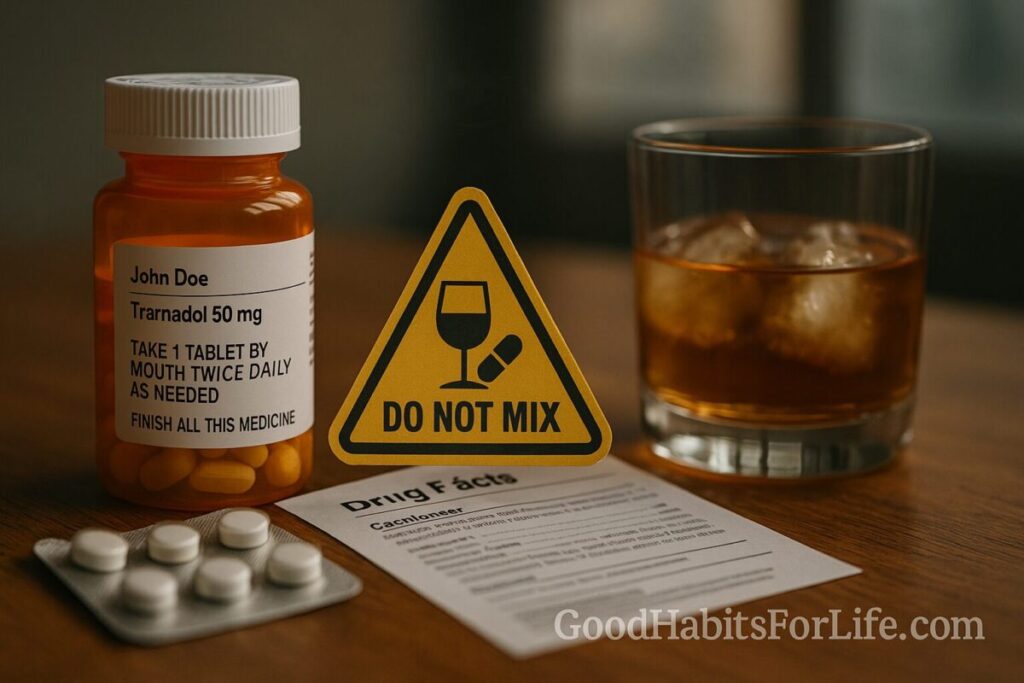
Medications & Alcohol: Ask a Pro, Err on Caution
Medications & Alcohol: Ask a Pro, Err on Caution
Table of Contents
🧭 What & Why (Risks at a Glance)
Alcohol is a central nervous system depressant. Mix it with medicines that also sedate—or that affect your liver, blood, or blood sugar—and side-effects can multiply. You may feel more drowsy or dizzy; your judgment, reaction time, and coordination drop; and in the wrong combo, breathing can slow to dangerous levels. MedlinePlus
Dozens of common prescriptions and OTCs potentially interact with alcohol. The U.S. alcohol institute (NIAAA) notes consequences ranging from internal bleeding and liver damage to falls, car crashes, and overdose deaths; about 40% of adults took a medication in the past year that could interact negatively with alcohol. NIAAA
The riskiest pairings include:
-
Opioids & benzodiazepines (e.g., oxycodone, diazepam): mixing with alcohol can depress breathing and be fatal. CDC
-
“Z-drugs” for sleep (zolpidem, eszopiclone): the FDA says don’t drink before or while taking—effects compound. U.S. Food and Drug Administration
-
Certain antibiotics: with metronidazole, avoid alcohol during treatment and for 48 h after; for tinidazole, 72 h. nhs.uk+1
-
Acetaminophen (paracetamol): labels warn of severe liver damage when combined with regular heavy drinking (≥3 drinks/day). U.S. Food and Drug Administration+1
Bottom line: alcohol can make a medicine stronger, weaker, or toxic—and can make you less safe. NIAAA
✅ Quick Start: What to Do Today
-
Check every label. Look for “Do not drink alcohol” or “May cause drowsiness”; read Medication Guides on FDA pages. U.S. Food and Drug Administration
-
If starting a new med, skip alcohol until a healthcare professional okays it for you. (Age, liver health, dose, and other meds matter.) MedlinePlus
-
On antibiotics? If it’s metronidazole or tinidazole, avoid alcohol now and stick to the 48–72-hour post-course wait. nhs.uk+1
-
On sleep/anxiety/pain meds? Avoid alcohol completely (opioids, benzos, Z-drugs). CDCU.S. Food and Drug Administration
-
Taking acetaminophen? Don’t combine with heavy/regular drinking; mind total daily dose from all products. U.S. Food and Drug Administration
-
When unsure, call a pharmacist. It’s the fastest, safest way to get tailored advice. (Keep a list of your meds handy.)
🗓️ 7-Day Starter Plan
Goal: Build a reliable, low-effort habit for checking alcohol–med interactions.
-
Day 1 – Inventory. List all medicines/supplements (name, dose, schedule). Add “PRN” (as needed) drugs like cold meds.
-
Day 2 – Traffic-Light Map. With your pharmacist/clinician, classify your list:
-
🔴 Red (never mix): opioids, benzos, Z-drugs, disulfiram, metronidazole/tinidazole (during + 48–72 h). CDCU.S. Food and Drug Administrationnhs.uk
-
🟠 Yellow (case-by-case/limit): acetaminophen, NSAIDs, many antidepressants/antipsychotics, diabetes meds (risk of low blood sugar), blood thinners. U.S. Food and Drug AdministrationNIAAA+1
-
🟢 Green (usually okay): topical creams, many eye/ear drops—but still check labels.
-
-
Day 3 – Label Sweep. Photograph labels so warnings are always with you.
-
Day 4 – Social Plan. If a drink is likely this week, decide in advance: 0 drinks or non-alcoholic alternatives.
-
Day 5 – Checkers. Bookmark FDA/NIAAA/NHS/MedlinePlus pages (see Tools).
-
Day 6 – Cue & Review. Add a calendar reminder: “Starting/Changing med? Check alcohol safety.”
-
Day 7 – Debrief. Update your traffic-light list after any new prescription.
🛠️ Techniques & Frameworks for Safer Choices
The P.A.I.R. Framework
-
Pause: before you pour, ask “Am I on anything sedating/hepatotoxic?”
-
Ask: contact pharmacist/clinician for yes/no guidance.
-
Inventory: keep meds + doses in your phone notes.
-
Risk-rate:
-
High: opioids/benzos/Z-drugs; metronidazole/tinidazole; disulfiram. (Avoid.) CDCU.S. Food and Drug Administrationnhs.uk
-
Moderate: acetaminophen (with regular heavy drinking), NSAIDs, diabetes meds, anticoagulants (bleeding/hypoglycemia). U.S. Food and Drug AdministrationNIAAA+1
-
Contextual: many antibiotics other than metronidazole/tinidazole—ask a pro for your specific drug and illness.
-
“Party Math” for Labels
-
Acetaminophen: mind cumulative dose across cold/flu combos; avoid if you regularly have ≥3 drinks/day. U.S. Food and Drug Administration
-
Cold/cough meds: alcohol + antihistamines/dextromethorphan → more drowsiness/dizziness. NIAAA
-
Caffeine cocktails: alcohol + caffeine masks intoxication; people tend to drink more—risk rises. CDC
👥 Audience Variations
Students/Young Adults
-
Energy-drink cocktails hide how drunk you are; plan alcohol-free nights during exams or when on antibiotics. CDC
Professionals
-
Work events? Choose NA beer or sparkling water when starting a new med or after dose changes.
Parents/Caregivers
-
Keep childproof storage and a one-page med list for each family member. (Kids’ cold meds and adult night-time formulas often contain sedating antihistamines.)
Seniors
-
Alcohol and many medicines raise fall risk and driving impairment; review your list with a pharmacist every 6–12 months. CDC
People with Liver Disease or Alcohol-Use Concerns
-
Ask for alternatives to acetaminophen-containing combos and avoid binge episodes; request non-alcohol social strategies. U.S. Food and Drug Administration
⚠️ Mistakes & Myths to Avoid
-
“One drink is always fine with antibiotics.” Not with metronidazole/tinidazole—strict no-alcohol and post-course wait times apply. nhs.uk
-
“Beer is safer than spirits.” Risk depends on the medicine, not the drink type; alcohol is alcohol. NIAAA
-
“If I feel okay, I’m okay.” Alcohol plus sedatives can silently depress breathing; danger may not feel dramatic at first. CDC
-
“Labels are optional.” FDA labeling exists to prevent serious harm; read and follow every time. U.S. Food and Drug Administration
-
“Tylenol + a few drinks can’t hurt.” Regular heavy drinking raises severe liver-injury risk with acetaminophen. U.S. Food and Drug Administration+1
💬 Real-Life Examples & Scripts
Text your clinician
-
“I’ve started sertraline 50 mg daily. Is an occasional beer okay? Any dose/time limits?”
-
“I’m on metronidazole for 7 days. I understand I must avoid alcohol during treatment and 48 h after—is that right for my case?” nhs.uk
Ask a pharmacist (in person or phone)
-
“Here’s my med list (names/doses). Are any red-light with alcohol?”
-
“This cold syrup has acetaminophen. I sometimes have wine—how should I dose or what should I avoid?” U.S. Food and Drug Administration
At a social event
-
“I’m between meds right now—sticking with NA options tonight.”
-
“I’m on antibiotics—skipping alcohol this week.”
🧰 Tools, Apps & Resources
-
NIAAA: Alcohol–Medication Interactions (core resource & fact sheet)—clear explanations by drug class. NIAAA+1
-
FDA: Drug Interactions—What You Should Know—how to read labels and spot alcohol warnings. U.S. Food and Drug Administration
-
FDA Acetaminophen Page & Labeling Guidance—liver-risk details and “≥3 drinks/day” warning. U.S. Food and Drug Administration+1
-
NHS Medicines A-Z (e.g., metronidazole)—UK guidance with exact wait times. nhs.uk
-
MedlinePlus—plain-language drug and alcohol health info. MedlinePlus
📌 Key Takeaways
-
Many medicines interact with alcohol; some combinations are never safe. NIAAA
-
Sleep pills, opioids, and benzos + alcohol can suppress breathing—avoid entirely. CDC
-
Metronidazole/tinidazole require strict no-alcohol rules with 48–72 h post-course waits. nhs.uk
-
Regular heavy drinking with acetaminophen increases severe liver-injury risk. U.S. Food and Drug Administration
-
When in doubt, skip the drink and ask a professional; use trusted resources to double-check.
❓ FAQs
1) Can I drink at all while on antibiotics?
It depends on the antibiotic. With metronidazole and tinidazole, alcohol is not allowed during treatment and for 48–72 hours after. For many others, the main issue is illness recovery and side-effects—ask your prescriber. nhs.uk
2) Is one small drink okay with acetaminophen (paracetamol)?
Labels warn of severe liver damage with regular heavy drinking (≥3 drinks/day) while using acetaminophen; always keep total daily dose within limits and ask for personalized guidance. U.S. Food and Drug Administration+1
3) What about cold and allergy medicines?
Alcohol can intensify drowsiness from antihistamines and cough suppressants (dextromethorphan). Read labels and avoid driving. NIAAA
4) Are sleep medicines safe with a glass of wine?
No. The FDA advises no alcohol with insomnia medicines like zolpidem or eszopiclone. U.S. Food and Drug Administration
5) I mixed alcohol with my meds and now feel very sleepy or short of breath—what do I do?
Seek urgent medical help. Alcohol with opioids/benzos can suppress breathing and be life-threatening. CDC
6) Does alcohol affect blood thinners or diabetes meds?
Yes—alcohol can increase bleeding risk with some anticoagulants and cause low blood sugar with certain diabetes medicines. Get individualized advice. NIAAA
7) Do energy drinks make alcohol safer?
No—caffeine masks intoxication so you may drink more; risk increases. CDC
8) I hardly drink; do I still need to check?
Yes. Even occasional drinking can interact with certain drugs; checking once with a pharmacist helps you set clear rules. NIAAA
📚 References
-
National Institute on Alcohol Abuse and Alcoholism (NIAAA). Alcohol–Medication Interactions: Potentially Dangerous Mixes. NIAAA
-
NIAAA. Harmful Interactions: Mixing Alcohol with Medicines. NIAAA
-
U.S. Food & Drug Administration (FDA). Drug Interactions: What You Should Know. U.S. Food and Drug Administration
-
FDA. Acetaminophen—Information by Drug Class. (Liver-damage warning with ≥3 drinks/day). U.S. Food and Drug Administration
-
FDA. Recommended Warning for OTC Acetaminophen Drug Products. U.S. Food and Drug Administration
-
NHS. Common Questions about Metronidazole. (No alcohol + 48 h after). nhs.uk
-
NHS. Antibiotics—Interactions. (Metronidazole 48 h; Tinidazole 72 h). nhs.uk
-
CDC. Drinking Alcohol While Using Other Drugs Can Be Deadly. (Opioids/benzos). CDC
-
CDC. Alcohol & Caffeine. (Caffeine masks intoxication; higher intake). CDC
-
MedlinePlus. Alcohol—Health Topics. (CNS depressant effects). MedlinePlus
-
CDC (Older Adults). Medicines & Injury Risk. (Falls/driving risks). CDC
Disclaimer
This guide is for general education only and is not medical advice; always follow your clinician’s instructions for your medications and health.